
the blog
There’s something I realized a few years ago that honestly stopped me in my tracks.
I don’t have albums of my own children.
And I’m a photographer.
Not only do I know how to design albums professionally, I have access to professional print labs and can get them at a great price. If anyone should already have beautiful printed albums finished and sitting on their shelves, it should probably be me.
But life kept happening.
The girls needed things. Work got busy. There were always emails to answer, laundry to do, dinner to make, appointments to book, forms to sign, places to be. Every time I thought, “I should really make those albums,” it became one more thing sitting quietly on my mental to-do list.
And that’s when it hit me:
If I, as a photographer, wasn’t getting my own family photos printed, how could I possibly expect exhausted moms to do it either?
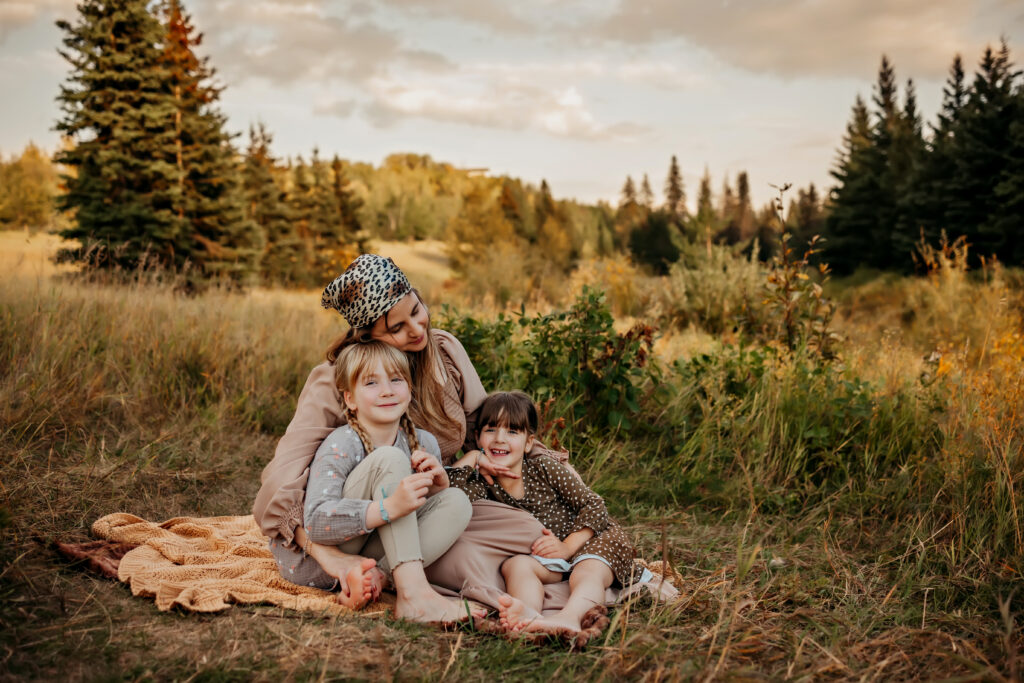
The Sad Truth About Most Family Photos
I think most people assume they’ll print their photos eventually.
Maybe they print one or two after a year goes by. Maybe they order a Christmas card. Maybe they post a few favorites for birthdays or Mother’s Day.
But the vast majority of family photos simply disappear into camera rolls.
Not because families don’t care about them.
Because modern life is overwhelming.
Most moms I know barely have time to wash their hair, let alone sort through hundreds of images, decide which ones belong in an album, design page layouts, choose cover materials, upload files, compare print companies, and finally press “order.”
The emotional weight of making one more decision is often enough to stop the process completely.
And honestly? I think photographers sometimes underestimate how real that overwhelm is.
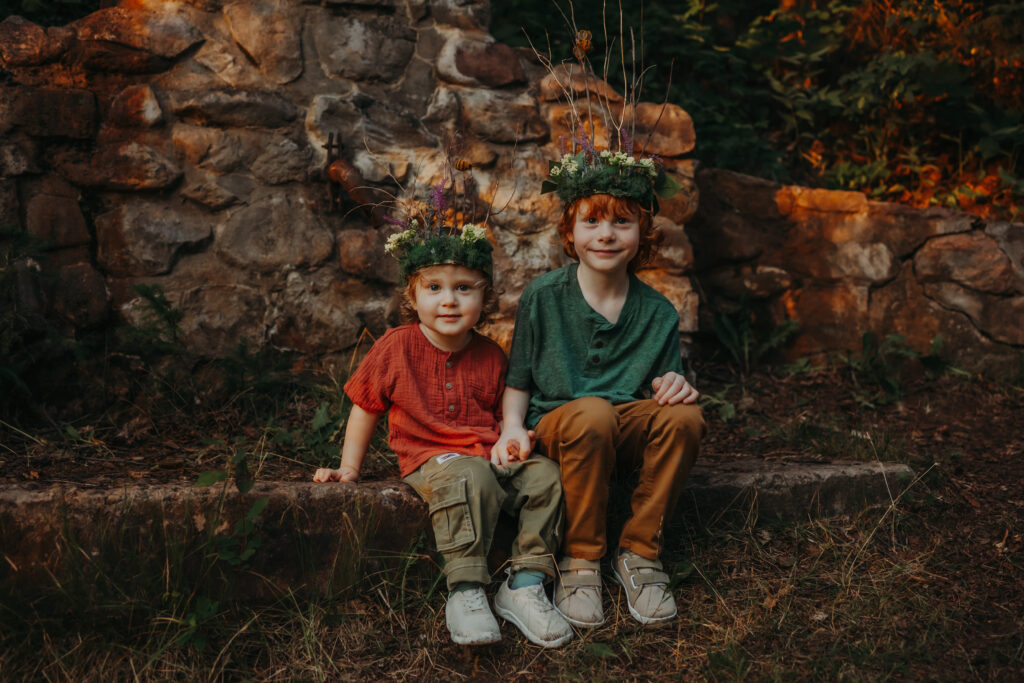
Photos Stored Are Not the Same as Photos Lived With
There’s a massive difference between photos being stored somewhere and photos actually being part of your family’s life.
Photos on your phone are mostly invisible.
You don’t walk past them every day.
Your children don’t casually pull them off the shelf.
Guests don’t flip through them while sitting on your couch.
But albums live with you.
They sit on coffee tables.
They get opened during quiet evenings.
They become part of the physical environment of a home.
The same thing happens with framed prints. That’s one reason I include a generous print credit with my all-inclusive sessions and why I place deadlines on using it.
Not to pressure families, but because deadlines create decisiveness.
Otherwise the photos stay trapped in “I’ll do it later,” which usually means never.
I want families to actually see their memories, not just store them.
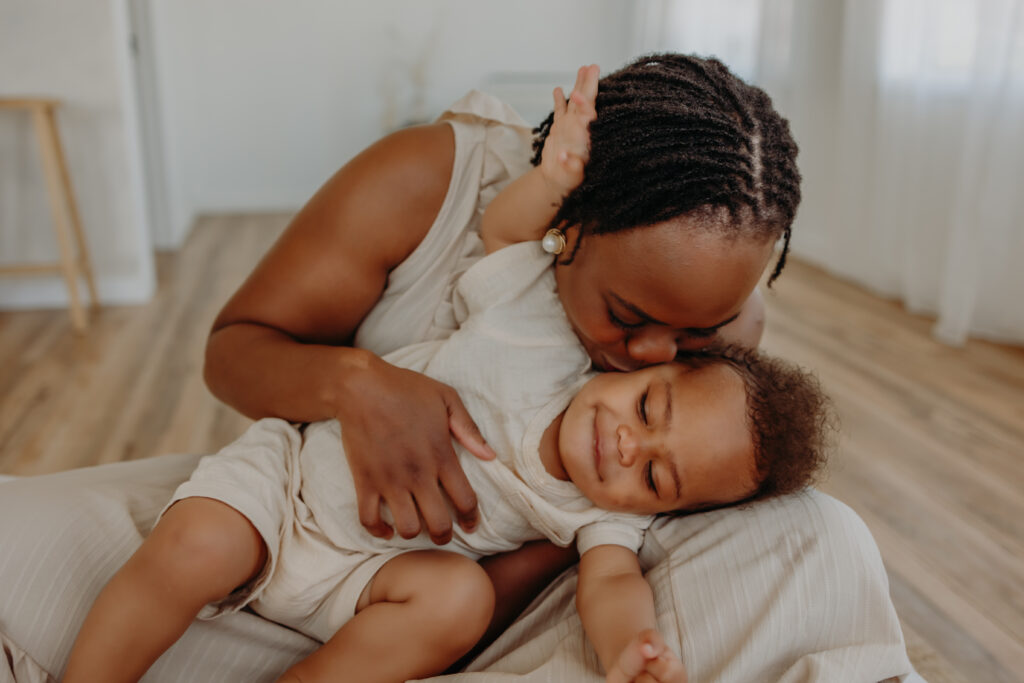
Your Kids Are Not Going to Inherit Your iPhone
This is the part that sounds dramatic until you really think about it.
Our generation only has childhood photos because previous generations were forced to print them.
There were no smartphones.
No cloud storage.
No camera rolls containing 48,000 random images.
If parents wanted photographs, they had to physically develop them.
And because of that, many of us still have albums from our childhood sitting in boxes, closets, or bookshelves today.
But what happens to our children’s generation?
Are we really expecting our kids to someday inherit our phones?
Even from a practical standpoint, it makes no sense.
I can’t even access some of my own old phones from just a few years ago because they’re dead or outdated.
And even if photos are stored digitally forever somewhere in the cloud, most people are not going to hand over their entire iCloud account to their children one day. Those accounts contain private messages, personal information, financial information, and the messy digital history of an entire life.
So what happens instead?
Nothing.
The photos quietly disappear.
Not intentionally.
Not maliciously.
Just slowly and permanently.
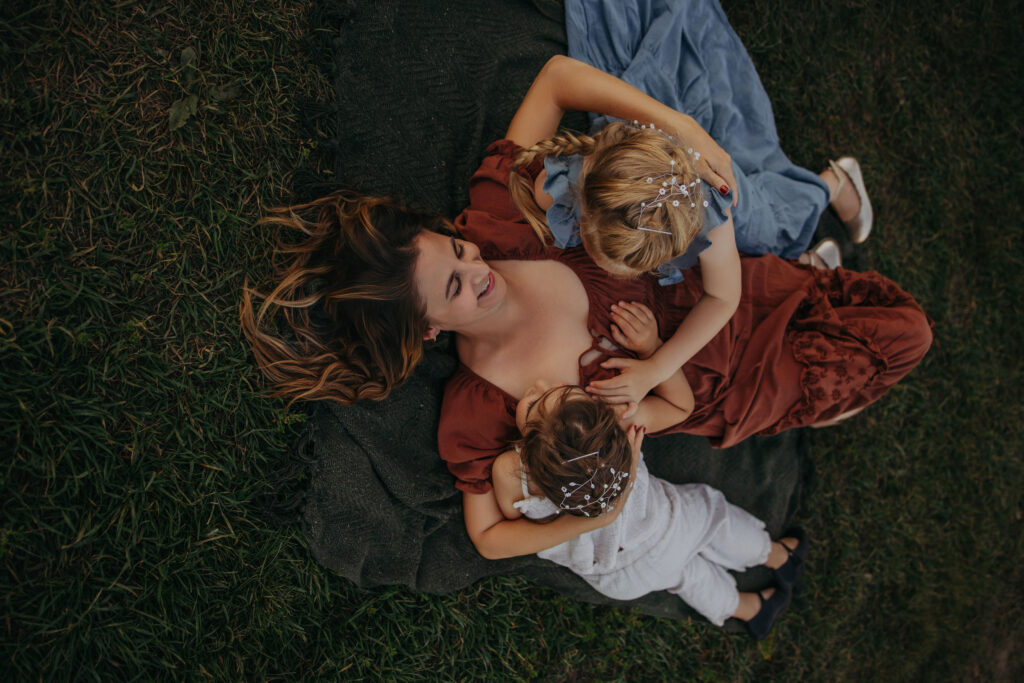
What Printed Photos Actually Become
When people talk about family photography, they often talk about preserving memories.
But I honestly think printed photographs become something deeper than memory.
They become evidence.
Evidence that someone loved you.
Evidence that someone showed up for you.
Evidence that your childhood mattered to someone.
When I look at photos from my own childhood, I don’t just see little versions of myself.
I see my mother.
I see how exhausted she must have been.
I see how hard she worked.
I see how little support she had.
I see a woman doing her absolute best while trying to hold everything together.
And I also see joy.
I see proof that even during difficult years, we were deeply loved. I see that my sibling and I were the center of her world.
As adults, I think that’s what many of us are really seeing when we look at old family photos.
Not perfect parenting.
Not perfect homes.
Not perfect lives.
Love.
Why Albums Feel So Emotional
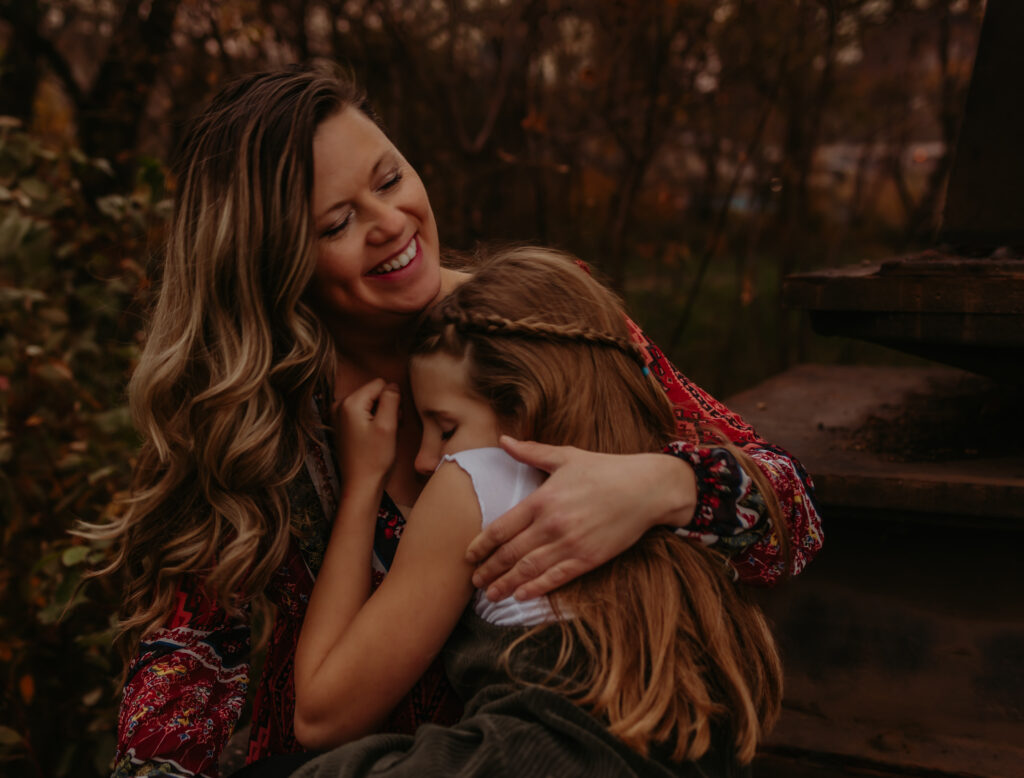
One thing I’ve noticed is that moms often become emotional when they finally see their images printed in a professionally designed album.
And I don’t think it’s only because the photographs are beautiful.
I think part of the emotion comes from finally seeing their lives reflected back to them in a tangible way.
We are so used to viewing our memories through tiny glowing screens that seeing them printed large, beautifully, and permanently feels almost shocking now.
You notice details differently.
The way your baby looked curled against your chest.
The softness in your child’s face.
The way your partner looked at you when you weren’t paying attention.
But there’s another layer too.
I think albums also create relief.
For many moms, seeing the album finished means one important thing has finally been removed from their mental load.
The memories are safe now.
Done.
Protected.
Preserved.
Why I Changed the Way I Deliver Photos
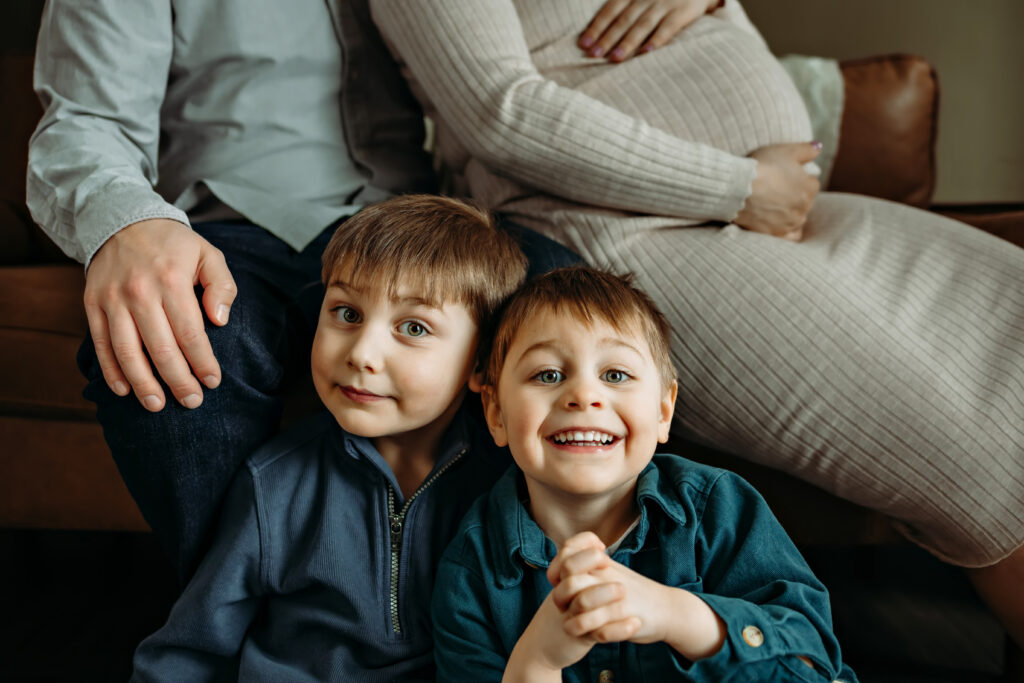
This realization completely changed the way I structure my photography experience.
I stopped wanting to simply hand over digital files and hope families eventually did something meaningful with them.
Because most people don’t.
Not because they’re lazy.
Because they’re overwhelmed.
So now I build the heirloom experience directly into my all-inclusive sessions.
Families receive a professionally designed album.
They receive print credit.
They receive access to a professional print store directly inside their gallery.
They don’t need to worry about downloading the correct resolution, choosing random online print companies, or figuring out album design themselves.
I also create intentional deadlines because without them, important things quietly drift for years.
The goal is simple:
make preserving family memories feel easier, not heavier.

What Children Really See in Family Photos
I think children eventually look at family photographs the same way many of us now look at our own childhood pictures.
Even in healthy, loving families, adulthood changes your perspective.
You begin to understand your parents were just people too.
People figuring things out day by day.
People carrying stress quietly.
People sacrificing constantly.
People questioning themselves while trying to do their best.
And when children look back at those images years later, I think they understand something profound:
Their parents would have done it all over again in a second.
That’s what photographs hold.
Not perfection.
Love.
Final Thoughts
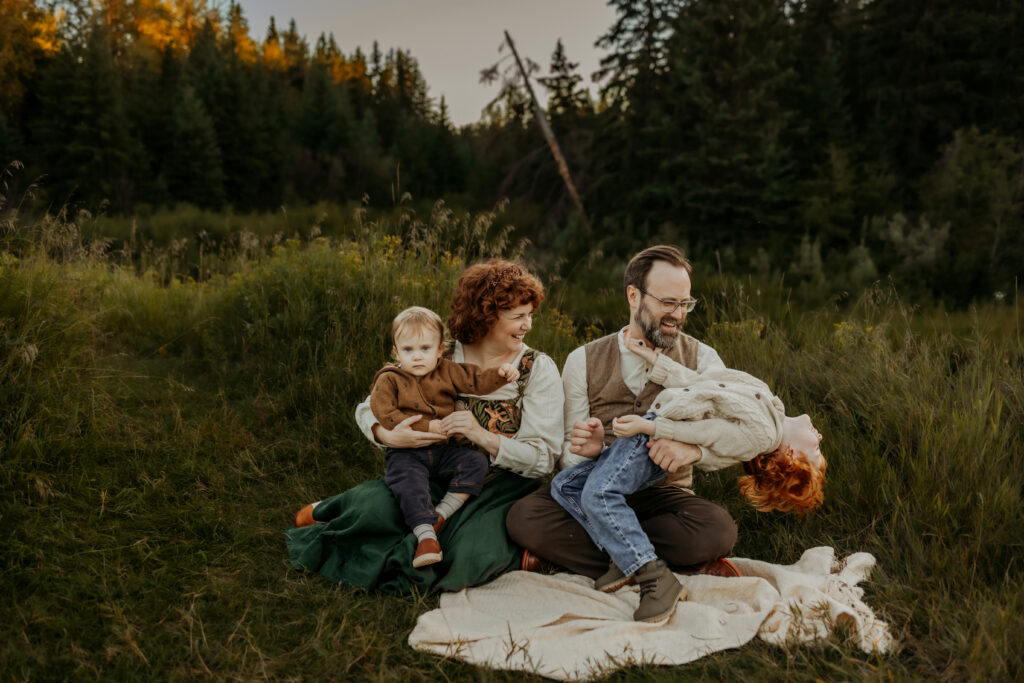
Photos on your phone are not family heirlooms.
And I don’t say that to shame anyone because I understand exactly how easily life gets in the way. I became passionate about albums because I realized I was struggling with the same problem myself.
But I do think we are living through a strange moment in history where families are documenting their lives more than ever while simultaneously printing almost nothing.
And that should probably concern us.
Because one day your children will want evidence of their childhood. Your children are not going to inherit your iPhone.
They won’t want screenshots or forgotten cloud folders or buried camera rolls.
They’ll want something real.
Something they can hold.
Something that survives you.
That’s what printed photographs become.
Additional Resources


Submit
Interested in learning more?
Follow these 3 steps:
1. Fill out the contact form or email me - megan@meganonuferko.com
2. Please give me 24 hours to get back to you.
3. We'll discuss your dream shoot, and how we can make it happen.
I am going to take care of everything and I guarantee this process will be stress-free, fun, and unlike any other photo experience you've had before.
I will be in touch within 24 hours!
The booking process and FAQs
While you wait to hear back from me, check out:
THANK YOU!